



Farming Advice
Mastitis Control Beyond the Parlour: Protecting Udder Health Across the Farm
Mastitis prevention doesn't begin and end in the milking parlour. From the condition of cubicle beds to dry cow management, nutrition and everyday housing hygiene, what happens outside the parlour plays a major role in protecting udder health and controlling somatic cell count (SCC).
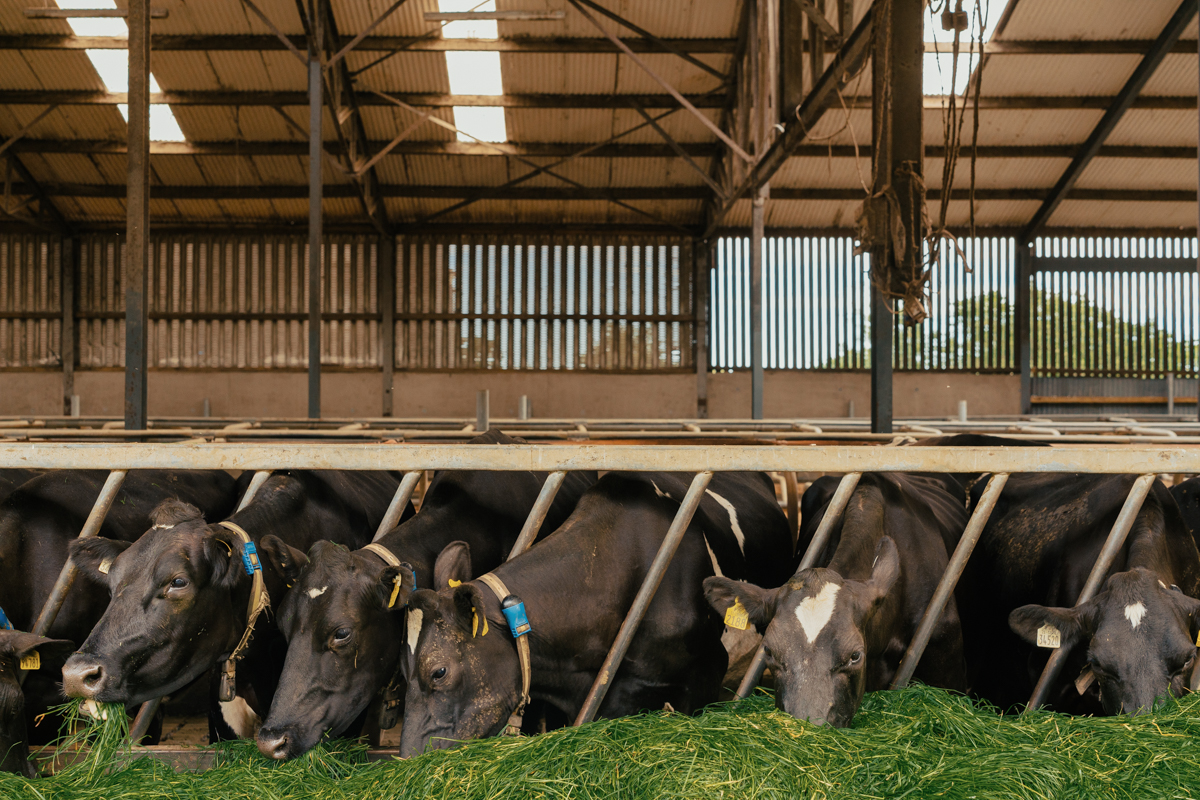
For Irish dairy farmers, mastitis remains one of the most costly herd health challenges. Beyond the expense of treatment, infections can lead to discarded milk, reduced milk yield, additional labour and potentially higher somatic cell counts.
While good milking practices are essential, the environment cows live in for the rest of the day deserves just as much attention.
With winter housing underway on many Irish dairy farms, now is an important time to look beyond the parlour and assess the everyday factors that influence mastitis risk.
1. Cubicle Hygiene: The First Line of Defence Against Environmental Mastitis
One of the biggest risks to udder health comes from the environment cows lie in.
Environmental mastitis is commonly associated with bacteria such as E. coli and Streptococcus uberis, which can be present in manure, contaminated bedding and other areas of the cow's surroundings.
When cows lie on dirty or damp bedding, their teats can come into contact with these bacteria, increasing the risk of infection.
This makes cubicle management one of the most important areas of mastitis prevention outside the parlour.
Good cubicle management should include:
- Cleaning cubicle beds at least twice daily and removing manure and wet bedding.
- Keeping lying surfaces as clean and dry as possible.
- Applying suitable cubicle lime or bedding treatments according to product instructions.
- Maintaining comfortable cubicles that encourage cows to lie in the correct position.
- Scraping passageways regularly to reduce manure contamination.
How Does Cubicle Lime Help Prevent Mastitis?
Cubicle lime helps maintain a drier, less favourable environment for bacteria associated with mastitis.
Hydrated lime products can also increase bedding pH, helping suppress bacterial growth when used correctly.
At Feirm Supplies, we stock 15% Hydrated Cubicle Lime, designed to improve cubicle hygiene through absorbency and pH control.
We also stock 30% hydrated lime and Actisan 360 within our cubicle hygiene range.
These products can form part of a wider housing hygiene programme, alongside regular cleaning and appropriate bedding management.
Remember: Cubicle treatments support good hygiene, but they do not replace removing contaminated bedding or keeping housing clean.
2. Dry Bedding and Ventilation: Reducing Bacterial Pressure
Moisture creates favourable conditions for many environmental mastitis pathogens.
Even where cubicles are cleaned regularly, poor ventilation, leaking drinkers and damp bedding can increase the amount of moisture cows are exposed to.
During winter housing, farmers should pay particular attention to areas where dampness accumulates.
Key areas to check include:
- Cubicle beds and mats
- Drinking troughs and surrounding floor areas
- Passageways and collecting yards
- Calving pens and loose housing
- Ventilation and airflow throughout the shed
A simple way to assess straw bedding is the kneel test. Kneel on the bedding for a short period. If your knees become damp, the bedding requires attention.
Animal Health Ireland recommends keeping housing dry, well ventilated and comfortable to minimise environmental mastitis risk.
Providing sufficient cubicle space is also important. Overcrowding can lead to dirtier cows, increased standing times and poorer lying conditions.
For effective mastitis control, dry housing should be viewed as a daily herd health priority rather than simply a matter of cow comfort.
3. Dry Cow Management: Protecting the Udder Before Calving
The dry period is one of the most important stages in a cow's lactation cycle for managing future udder health.
New intramammary infections can develop during the dry period and may contribute to mastitis after calving.
Particular attention should be given to hygiene immediately after drying off and in the weeks leading up to calving.
A good dry cow management programme combines clean housing, appropriate nutrition, careful monitoring and a veterinary-led drying-off strategy.
The Role of Internal Teat Sealers
Internal teat sealers provide a physical barrier within the teat canal to help prevent bacteria entering the udder during the dry period.
When correctly selected and administered, they can play an important role in reducing new dry-period infections.
Feirm Supplies stocks Sureseal DC, an internal teat sealant designed to provide a physical barrier against bacterial entry.
Internal teat sealers must be administered using strict aseptic techniques. Poor hygiene during administration can introduce infection rather than prevent it.
The choice between selective and blanket dry cow antibiotic therapy should be made with your veterinary practitioner, using herd SCC records, mastitis history and relevant prescribing guidance.
For more advice, read our Dry Cow Management: Teat Sealers, Hygiene & Drying Off guide.
4. Nutrition and Immune Function: Supporting Udder Health from Within
Mastitis prevention is not only about reducing bacterial exposure. Supporting the cow's natural immune function is another important part of herd health management.
A well-balanced diet helps cows maintain body condition, immune function and overall health, particularly during the transition from late pregnancy into early lactation.
Nutrients such as selenium, vitamin E, copper and zinc have important roles in normal immune function and tissue health.
However, their benefits depend on the overall diet, the cow's nutritional status and whether a deficiency or imbalance exists.
Why Minerals Matter Around Calving
The transition period places substantial demands on dairy cows.
Changes in feed intake, metabolic stress and the start of milk production can affect the cow's ability to respond to health challenges.
Providing an appropriately balanced mineral programme before calving can help support normal physiological function during this demanding period.
At Feirm Supplies, our dry cow mineral range includes Devenish Super Dry Cow Minerals and Devenish Elite Dry Cow Minerals, alongside a selection of mineral buckets, blocks and trace element supplements.
Mineral products should be selected based on forage analysis, dietary requirements and veterinary or nutritional advice.
Important: Mineral supplementation supports overall herd health but is not a substitute for mastitis prevention measures or veterinary treatment.
5. Early Mastitis Detection: Don't Wait for Visible Symptoms
Not every mastitis infection produces immediately visible symptoms.
Subclinical mastitis can be present without obvious swelling, abnormal milk or signs of illness, making regular monitoring particularly important.
An increase in somatic cell count can be an early indication that udder health requires investigation.
Early identification allows farmers to assess the problem, identify affected cows and take appropriate action before infections become more widespread.
Using California Mastitis Tests (CMT)
The California Mastitis Test is a practical on-farm screening method that helps identify quarters with elevated somatic cell counts.
It can be particularly useful when investigating individual cows with suspected subclinical mastitis.
Feirm Supplies stocks CMT Liquid 1L, which is used with a mastitis test paddle to screen individual quarters.
A positive CMT result indicates inflammation and should be interpreted alongside milk recording results, cow history and veterinary advice. It does not identify the specific bacteria causing an infection.
Regular milk recording, bulk tank SCC monitoring and appropriate milk sampling all contribute to a more effective mastitis control programme.
Where infections are persistent or recurring, laboratory milk culture can help identify the responsible pathogen and guide treatment decisions.
6. Calving Pen Hygiene: Protecting Freshly Calved Cows
Calving areas deserve particular attention when assessing mastitis risk.
During calving, cows are exposed to significant physical and metabolic demands, while the condition of their surroundings can influence the risk of new udder infections.
Dirty or wet calving pens can allow environmental bacteria to build up, increasing infection pressure.
This is particularly important towards the end of a busy spring calving season, when bedding may become heavily contaminated if it is not regularly replaced.
Good calving pen hygiene includes:
- Removing manure and heavily contaminated bedding regularly.
- Providing plenty of clean, dry straw.
- Cleaning pens thoroughly between occupants where practical.
- Maintaining suitable drainage and ventilation.
- Avoiding overcrowding.
- Monitoring cows closely after calving for signs of mastitis.
Teagasc highlights the importance of regular calving pen cleaning and effective bedding management in reducing mastitis risk, particularly for freshly calved cows and heifers.
7. Building a Whole-Farm Mastitis Prevention Routine
The most effective mastitis control programmes are built around consistency.
Small improvements carried out every day can make a meaningful difference to bacterial exposure, herd cleanliness and early identification of problems.
A practical whole-farm routine should include:
Daily: Check cubicle cleanliness, replace wet bedding, scrape passageways, maintain teat hygiene and observe cows for signs of mastitis.
Weekly: Review housing conditions, ventilation, water troughs and recent mastitis cases. Check whether any particular group of cows is experiencing repeated problems.
Monthly: Review SCC trends, milk recording results and mastitis records. Discuss persistent issues with your veterinary practitioner.
At drying off and calving: Follow agreed veterinary protocols, maintain excellent hygiene and pay particular attention to cows in higher-risk periods.
By treating mastitis prevention as a whole-farm responsibility, rather than a job confined to the parlour, farmers can tackle several of the underlying factors that contribute to new infections.
Frequently Asked Questions About Mastitis Control
What causes environmental mastitis in dairy cows?
Environmental mastitis occurs when bacteria from sources such as manure, contaminated bedding and dirty housing enter the udder through the teat canal. Common environmental pathogens include E. coli and Streptococcus uberis.
Does cubicle lime help prevent mastitis?
Cubicle lime can help reduce mastitis risk by keeping bedding drier and, depending on the formulation, raising surface pH to create less favourable conditions for bacterial growth. It works best alongside regular cubicle cleaning and bedding replacement.
How can farmers reduce somatic cell count in dairy cows?
Reducing SCC involves identifying infected cows, maintaining effective milking hygiene, improving housing cleanliness, using milk recording information and applying appropriate veterinary advice. The correct approach depends on the causes of elevated SCC within the herd.
Can mastitis develop during the dry period?
Yes. New udder infections can occur during the dry period, particularly when cows are exposed to environmental bacteria. Clean housing, appropriate drying-off hygiene and correctly administered teat sealers can help reduce this risk.
What is the difference between clinical and subclinical mastitis?
Clinical mastitis produces visible signs such as abnormal milk, swelling or inflammation of the udder. Subclinical mastitis usually has no obvious visible symptoms but can cause increased somatic cell counts and reduced milk production.
Do mineral supplements prevent mastitis?
Minerals such as selenium, zinc and copper contribute to normal immune function, but mineral supplementation alone does not prevent mastitis. A balanced ration should form part of a wider programme involving hygiene, monitoring and veterinary herd health management.
Mastitis Prevention Starts Beyond the Parlour
Good mastitis control is about more than what happens during milking.
Clean cubicles, dry bedding, well-managed calving pens, balanced nutrition, effective dry cow management and regular SCC monitoring all play a part in protecting udder health.
For Irish dairy farmers, particularly during winter housing and the lead-up to spring calving, taking a whole-farm approach can help reduce infection pressure, protect milk quality and support long-term herd performance.
At Feirm Supplies, we stock a wide range of cubicle hygiene products, teat sealers, dairy minerals and mastitis testing equipment to support everyday herd health management.
Explore our range at www.feirmsupplies.com and get your farm ready for the months ahead.
Feirm Supplies — Getting Farmers Ahead.