
Farming Advice
Dry Cow Management: Teat Sealers, Hygiene & Drying Off
Drying off is one of the most important management periods in the dairy calendar. What happens at drying off can affect udder health during the dry period and into the following lactation. Good preparation, careful hygiene, appropriate use of teat sealers and dry cow treatments, and clean housing all play an important role. For Irish dairy farmers, dry cow treatment should now be approached on an individual cow basis, with antibiotic dry cow therapy used where there is evidence that it is required and in consultation with your veterinary practitioner.
Dry Cow Management: Teat Sealers, Hygiene and Preparing for Drying Off
Drying off is one of the most important management periods in the dairy calendar.
What happens at drying off can affect udder health during the dry period and into the following lactation. Good preparation, careful hygiene, appropriate use of teat sealers and dry cow treatments, and clean housing all play an important role.
For Irish dairy farmers, dry cow treatment should now be approached on an individual cow basis, with antibiotic dry cow therapy used where there is evidence that it is required and in consultation with your veterinary practitioner.
Why Is the Dry Period So Important?
The dry period gives the udder an opportunity to recover and prepare for the next lactation.
However, cows can also be particularly vulnerable to new udder infections around drying off and approaching calving.
Animal Health Ireland notes that the risk of new udder infection is considerably higher during the early dry period and immediately before calving compared with during lactation. The teat canal can take around two weeks to fully seal after drying off, making good hygiene particularly important during this period.
That means successful dry cow management starts before the final milking and continues right through to calving.
What Is a Teat Sealer?
An internal teat sealer is placed into the teat canal at drying off to create a physical barrier against bacteria entering the udder during the dry period.
The objective is to mimic the cow's natural keratin plug and help protect the quarter until calving.
Depending on the individual cow and veterinary treatment plan, a teat sealer may be used:
- On its own in suitable uninfected cows
- Alongside antibiotic dry cow treatment in cows requiring treatment
The decision should be based on herd history, individual cow records, somatic cell count information, mastitis history and veterinary advice.
Does Every Cow Need Antibiotic Dry Cow Therapy?
No.
Blanket preventive antibiotic dry cow therapy is no longer the approach used under current EU veterinary medicines rules.
Selective Dry Cow Therapy, often shortened to SDCT, means identifying which individual cows require antibiotic treatment and which cows may be suitable for teat sealer alone.
Animal Health Ireland advises that antibiotics at drying off are not banned, but should be reserved for animals where treatment is justified rather than being used routinely as a preventive measure.
Your veterinary practitioner should help determine which cows require antibiotic treatment.
How Are Cows Selected for Teat Sealer Only?
There is no single SCC number that should be used across every herd without considering the wider picture.
Selection may take account of:
- Individual cow SCC records
- Milk recording results
- Clinical mastitis history
- Bacteriology results where available
- Herd-level mastitis history
- Previous dry-period performance
- Veterinary assessment
Individual cow SCC is one of the key tools used to assess whether infection may be present in the udder.
Farmers considering selective dry cow therapy should develop their plan with their veterinary practitioner rather than making decisions based on SCC alone.
Preparing Cows Before Drying Off
Good drying-off hygiene starts before the cow enters the parlour.
1. Identify the cows
Know exactly which cows are being dried off and what treatment each animal is due to receive.
Clearly marking cows can help prevent treatment mistakes.
2. Review milk and mastitis records
Check individual cow SCC, previous mastitis cases and any relevant veterinary recommendations.
Milk recording before drying off can provide valuable information when selecting cows for different dry cow treatments.
3. Clip dirty tails
Clipping tails in advance can make it easier to maintain a clean working environment and reduce contamination around the udder.
4. Prepare the parlour
Have everything required ready before bringing cows back in.
Useful equipment may include:
- Disposable gloves
- Teat disinfectant wipes or suitable alcohol and cotton
- Paper towel
- Teat sealers
- Prescribed dry cow antibiotic where required
- Cow markers
- A clean work surface
- Adequate lighting
- A waste container
Preparation matters because once the job starts, unnecessary movement around the parlour can increase the risk of contamination.
Hygiene at Drying Off
Hygiene is one of the most important parts of the entire procedure.
Whether administering a teat sealer, antibiotic dry cow tube or both, bacteria introduced into the teat canal during treatment can cause infection.
Animal Health Ireland recommends treating drying off as a procedure that requires extremely careful hygiene rather than simply another routine farm job.
Before tubing:
- Wear clean disposable gloves.
- Make sure the udder and teats are clean and dry.
- Thoroughly disinfect each teat end.
- Use a consistent cleaning pattern.
- Do not touch the cleaned teat end.
- Never use a tube if its nozzle has become contaminated.
If the end of an intramammary tube touches anything other than the disinfected teat end, it should be discarded rather than inserted.
How Should a Teat Sealer Be Applied?
Internal teat sealers must be administered according to the product instructions and your veterinary treatment plan.
An important difference between teat sealant and antibiotic dry cow tubes is what happens after the product is inserted.
Teat sealant should not be massaged upwards into the udder.
It is designed to remain in the teat canal and create a physical barrier.
By comparison, where an antibiotic dry cow tube has been prescribed, the antibiotic is generally massaged upwards into the quarter according to the product directions.
Where both an antibiotic and teat sealant are being used, Animal Health Ireland advises that the antibiotic is administered first and the teat end is sterilised again before the teat sealant is administered last.
Always follow the label instructions for the individual product.
Should Cows Be Dried Off During Milking?
Animal Health Ireland recommends not carrying out the drying-off procedure during normal milking.
Instead, cows should be drafted and brought back into a clean parlour once milking and cleaning are complete.
This gives the person carrying out the treatment more time and provides a cleaner, calmer working environment.
Trying to rush large numbers of cows can increase the likelihood of hygiene or recording mistakes.
AHI suggests limiting the number treated to around 20 cows per person per day where possible so the same high standard can be maintained from the first cow to the last.
What Should Happen Immediately After Drying Off?
Once treatment has been administered:
- Thoroughly teat spray or teat dip the cow.
- Clearly mark the cow.
- Record the cow number, date and treatment used.
- Keep cows standing in a clean, dry environment initially.
- Move cows into clean, dry accommodation.
- Check udders regularly after drying off.
Animal Health Ireland advises keeping cows standing in a clean, dry environment for approximately two hours after treatment to reduce the opportunity for bacteria to enter while teat ends begin to close.
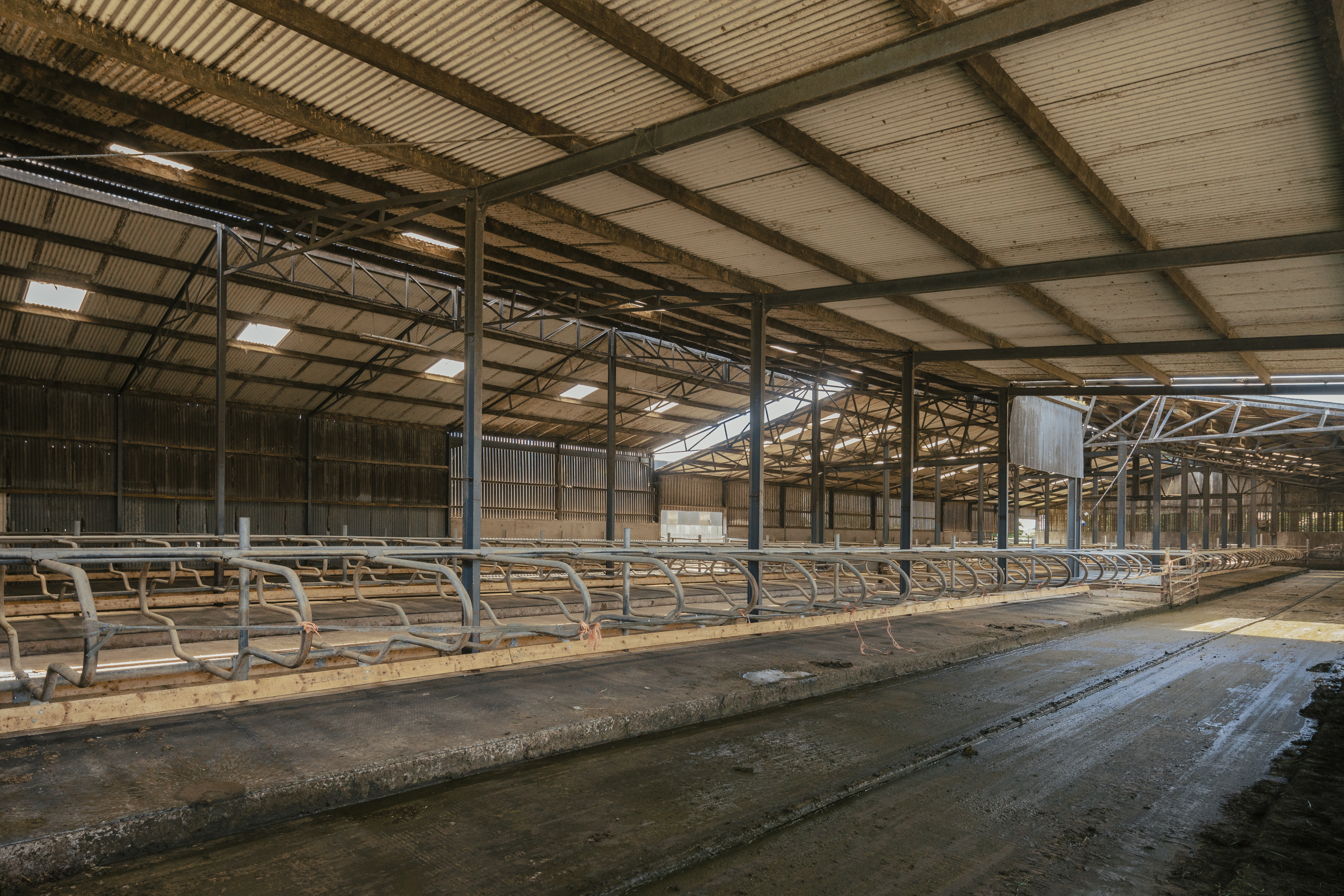
Why Cubicle Hygiene Matters During the Dry Period
Drying-off hygiene doesn't end when the cow leaves the parlour.
The environment cows lie in is particularly important during the first weeks after drying off.
Teagasc recommends maintaining a particularly high standard of cubicle hygiene during:
- The first two weeks after drying off
- The final two weeks before calving
These are important risk periods for new udder infections.
Cubicles should be kept:
- Clean
- Dry
- Comfortable
- Well bedded
- Regularly scraped and maintained
Cubicle lime can form part of a good hygiene programme by helping maintain a clean, dry lying surface, but it should be used alongside regular cleaning rather than as a substitute for it.
Dry Cow Housing Checklist
Before drying cows off, check that housing is ready.
Consider:
Cubicle availability
Aim to provide sufficient cubicles so cows have easy access to comfortable lying space.
Bedding condition
Keep bedding clean and dry and replace contaminated material regularly.
Passage cleanliness
Scrape passages frequently to reduce manure contamination.
Ventilation
Good ventilation helps maintain a dry housing environment.
Feed space
Make sure cows have sufficient access to feed without excessive competition.
Water
Provide clean water and adequate trough access.
Cow cleanliness
Dirty legs, tails and udders are a warning that housing hygiene may need attention.
How Long Should the Dry Period Be?
The appropriate dry period will vary between cows and herd systems.
Teagasc guidance commonly discusses drying cows approximately four to six weeks before expected calving, although the right timing should form part of the herd's overall dry cow and nutrition plan.
Work backwards from expected calving dates rather than drying every cow on one arbitrary date.
Should Milk Yield Be Reduced Before Drying Off?
Where cows are producing high volumes, reducing milk yield before drying off may be appropriate.
However, repeatedly skipping milkings immediately before dry-off is generally not recommended as the preferred method.
Animal Health Ireland notes that intermittent milking can continue stimulating milk production and may interfere with normal teat sealing.
Nutrition and drying-off strategy should be discussed with your adviser or veterinary practitioner where cows are still producing significant volumes.
Check Cows After Drying Off
Cows should continue to be monitored once they enter the dry group.
Check for:
- Swollen quarters
- Heat or tenderness in the udder
- Leaking milk
- Changes in behaviour
- Reduced appetite
- Signs of illness
Animal Health Ireland recommends checking udders at least daily following drying off so problems can be identified early.
Seek veterinary advice where mastitis or illness is suspected.
Keep Accurate Dry Cow Records
Record keeping is particularly important where selective dry cow therapy is being used.
Record:
- Cow identification
- Date dried off
- Teat sealer used
- Antibiotic treatment, where prescribed
- Relevant withdrawal information
- Any problems during the dry period
- Mastitis cases after calving
Good records can help assess how successful the previous dry period was and improve future treatment decisions.
They are also essential for preventing antibiotic residues entering the bulk tank after calving.
Drying-Off Checklist
Before starting, make sure you can answer yes to the following:
- Have the correct cows been identified?
- Has each cow's dry cow treatment plan been confirmed?
- Are milk recording and mastitis records available?
- Is the parlour clean?
- Are teats and udders clean and dry?
- Do you have clean gloves and disinfecting materials?
- Are teat sealers and prescribed treatments ready?
- Is there enough time and labour to carry out the job properly?
- Are dry cow cubicles clean and ready?
- Is there a system for recording every treatment?
If not, it is worth addressing these points before starting.
Frequently Asked Questions
What does a teat sealer do?
An internal teat sealer forms a physical barrier inside the teat canal to help prevent bacteria entering the udder during the dry period.
Does every dry cow need antibiotics?
No. Antibiotic dry cow treatment should be targeted at cows where treatment is required, based on individual cow information and veterinary advice.
Can a cow receive teat sealer without antibiotics?
Yes. Suitable uninfected cows may receive internal teat sealer alone as part of a selective dry cow therapy programme, following veterinary assessment.
Should teat sealant be massaged into the udder?
No. Internal teat sealant is designed to remain in the teat canal and should not be massaged upwards into the udder.
When are dry cows most at risk of new udder infections?
The periods immediately after drying off and approaching calving are particularly important. Good environmental and cubicle hygiene during these periods is essential.
Should I use teat sealers on every cow?
The treatment required by each cow should form part of an agreed dry cow strategy. Your vet can help identify cows suitable for teat sealer alone and those that require additional treatment.
Prepare for Drying Off with Feirm Supplies
Getting the basics right at drying off can help protect udder health through the dry period and prepare cows for the next lactation.
Feirm Supplies stocks products for dry cow preparation and winter housing, including:
- Teat sealants
- Teat and udder care
- Dairy hygiene products
- Cubicle lime
- Disposable gloves and PPE
- Animal health products
Shop online at FeirmSupplies.com, or speak to the Feirm Supplies team if you need help finding the appropriate product for your farm.
For prescription veterinary medicines or decisions around antibiotic dry cow therapy, always follow your veterinary practitioner's advice and the individual product instructions.