



Animal Health
Pre-Calving Minerals: What to Feed, When to Start & Why It Matters
A successful calving season starts long before the first calf arrives. For Irish dairy and suckler farmers, getting mineral supplementation right during the dry period is one of the most important steps in preparing cows for calving, supporting calf health and reducing the risk of costly problems after calving.
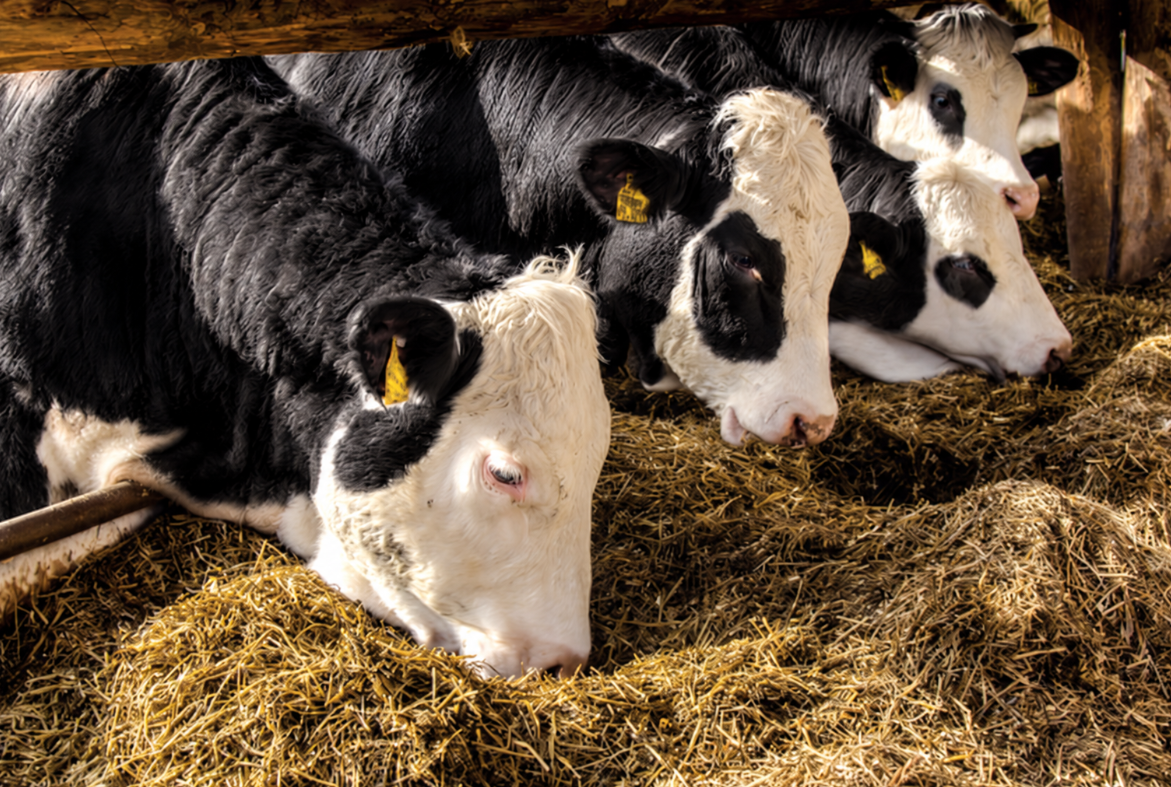
As cows approach calving, their nutritional requirements change significantly. The final six weeks of pregnancy are particularly important, as the cow prepares for the demands of calving, colostrum production and the start of lactation.
Feeding a high-quality pre-calving mineral helps ensure cows receive the essential minerals, trace elements and vitamins they need during this critical period.
But what minerals should farmers be feeding, when should supplementation begin, and what should you look for when choosing a dry cow mineral?
Why Are Pre-Calving Minerals Important?
During late pregnancy, cows require a carefully balanced supply of minerals and vitamins to support their own health and the development of the unborn calf.
Inadequate mineral nutrition before calving can increase the risk of several common problems, including:
- Milk fever: Low blood calcium levels around calving can affect muscle function and cow health.
- Retained placentas: Poor nutritional status, including certain trace element deficiencies, can contribute to retained cleanings.
- Weak newborn calves: Inadequate trace element supplementation may affect calf vitality at birth.
- Reduced immune function: Poor mineral and vitamin status can leave cows less prepared for the challenges around calving.
- Fertility problems: Metabolic and health issues around calving can affect reproductive performance later in lactation.
While minerals alone cannot prevent every calving-related problem, providing the correct balance as part of a well-managed dry cow diet can significantly support the transition into lactation.
What Minerals Do Cows Need Before Calving?
Not all pre-calving mineral supplements are the same. Farmers should consider the mineral content of their silage, the nutritional requirements of their herd and the specification of the supplement being fed.
Some of the most important nutrients include:
1. Magnesium – Essential for Milk Fever Prevention
Magnesium is one of the most important minerals for cows approaching calving.
It plays a crucial role in calcium metabolism, helping cows regulate blood calcium levels as demand increases around calving.
An inadequate magnesium supply can increase the risk of milk fever, particularly where cows are consuming silage with high potassium levels.
What farmers should know: A suitable pre-calving mineral should provide adequate magnesium every day right up to calving
2. Selenium and Vitamin E – Supporting Cow and Calf Health
Selenium and vitamin E play important roles in immune function and protecting cells from oxidative stress.
Adequate supplementation helps support:
- Normal immune function in cows.
- Calf health and vitality.
- Reproductive health.
- Normal muscle function.
Deficiencies in selenium or vitamin E can contribute to health problems around calving. However, excessive selenium can also be harmful, making correct supplementation essential.
3. Iodine – Important for Newborn Calf Vitality
Iodine is essential for thyroid hormone production, which supports normal growth, development and metabolism.
A lack of iodine during pregnancy can contribute to weak or poorly developed calves and reduced vitality at birth.
Ensuring adequate iodine intake during the dry period is particularly important for supporting the developing calf.
4. Copper and Zinc – Supporting Immunity and Reproductive Health
Copper and zinc are essential trace elements involved in numerous biological functions.
They support immune function, tissue development, normal growth and reproductive health.
However, mineral availability can be affected by other elements in the diet, including molybdenum, sulphur and iron.
For this reason, farmers should consider silage mineral analysis when selecting a pre-calving supplement.
5. Vitamin D – Supporting Calcium Metabolism
Vitamin D helps regulate calcium and phosphorus metabolism and is particularly important as cows transition from the dry period into milk production.
Providing adequate vitamin D, alongside the correct magnesium and overall dietary mineral balance, supports normal calcium regulation around calving.
When Should You Start Feeding Pre-Calving Minerals?
Pre-calving minerals can be supplied in several ways, depending on the feeding system and farm setup.
Dusting minerals onto silage is a common method on Irish farms. Spreading the measured mineral allocation evenly across the feed, ideally in two daily applications, helps improve access.
Mixing minerals into a total mixed ration (TMR) can provide a consistent daily supply when the ration is correctly formulated and mixed.
Mineral buckets and blocks may also be used in certain situations, but intake can vary significantly between individual cows. They should not automatically be considered a replacement for a measured daily mineral allocation.
Trace element boluses can provide specific micronutrients, but they do not generally supply the full magnesium and other major mineral requirements of dry cows.
Whatever method is used, always follow the manufacturer's recommended feeding instructions and ensure every cow has adequate access to feed.
Choosing the Right Pre-Calving Mineral for Your Herd
At Feirm Supplies, we understand the importance of preparing cows properly for calving.
We stock pre-calving mineral supplements designed to support dry cow nutrition, helping Irish farmers prepare their dairy and suckler herds for the challenges of calving.
Our range includes BLF Pre-Calver Quadforce, a 25kg mineral supplement formulated to provide important minerals, trace elements and vitamins during the dry period.
With magnesium, selenium, iodine, copper, zinc and essential vitamins, it is designed to support cow health and nutritional requirements ahead of calving.
Choosing a mineral that suits your herd's feeding system and nutritional requirements is an important part of building a successful pre-calving programme.
Frequently Asked Questions About Pre-Calving Minerals
How long before calving should I feed dry cow minerals?
Pre-calving minerals should generally be fed for at least six weeks before the expected calving date. This helps ensure cows receive an adequate supply of essential minerals and trace elements during late pregnancy.
How much pre-calving mineral should a cow get per day?
Many dry cow minerals are formulated for feeding rates of approximately 100–120g per cow per day. However, the correct rate depends on the individual product and the cow's overall diet. Always follow the manufacturer's recommendations.
What is the most important mineral for preventing milk fever?
Magnesium is particularly important because it supports the cow's ability to regulate calcium levels around calving. However, milk fever prevention also depends on the overall mineral balance of the diet, including potassium and calcium management.
Can I use mineral buckets instead of bagged pre-calving minerals?
Mineral buckets can be useful, but intake may vary between cows. A measured feeding programme generally provides better control over how much mineral each cow receives.
Are pre-calving minerals suitable for suckler cows?
Yes. Both dairy and suckler cows benefit from appropriate mineral supplementation before calving. However, their dietary requirements can differ, so farmers should select a mineral suited to their herd and forage.
Do pre-calving minerals help prevent retained placentas?
Adequate selenium, vitamin E and overall mineral nutrition support normal immune and reproductive function. Correct supplementation may help reduce problems associated with deficiencies, but retained placentas can have several causes and cannot be prevented by minerals alone.
A successful calving season begins with good preparation. From feeding the correct dry cow minerals to ensuring your herd is receiving the nutrients it needs, the weeks before calving can make a significant difference to cow health and calf performance.
Get your herd calving-ready with Feirm Supplies.
Explore our range of pre-calving minerals and essential farm supplies online at www.feirmsupplies.com and make sure your herd is prepared for the season ahead.**
Related content
View more
Animal Health
Winter Dosing for Cattle: A Practical Guide for Irish Farmers
Winter housing provides one of the best opportunities of the year to get on top of parasites in cattle. During the grazing season, cattle can pick up stomach worms, lungworm and liver fluke from pasture. Once cattle are housed, exposure to many of these parasites stops, making the winter period an ideal time to assess parasite burdens and, where necessary, treat animals. However, effective winter dosing is no longer simply about giving every animal the same dose at housing. The right approach depends on the parasites present on your farm, the age and type of cattle, previous treatment history, diagnostic results and the stage of the parasite you need to control. Getting it right can protect animal health, feed efficiency and winter performance while also helping to slow the development of anthelmintic resistance.

Animal Health
Need a Veterinary Prescription? Feirm Supplies Makes It Simple
Need a prescription for wormers, fluke treatments or other prescription-only animal health products? You don't have to organise the whole process yourself. One team. One straightforward process. Less hassle for the farmer.

Animal Health